
POOL TREATMENT
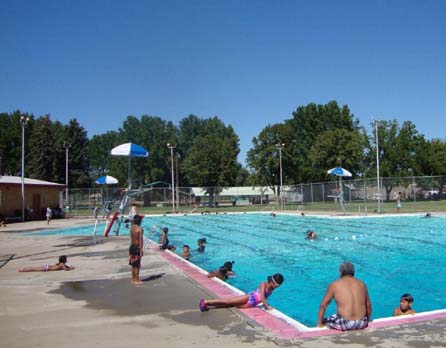
Water for leisure use in swimming pools, water parks and spas needs careful control, balancing and monitoring to meet the requirements of the operators and the expectations of users. The ideal pool and spa water has to be:
- • crystal clear and sparkling
- • completely free of any chemical and microbial contaminants including cysts
- • odour free and leaving no residual skin odour
- • leave no sensation of stinging eyes or skin
- • a totally natural, safe experience free from any evidence of chemical application
For the operator of any commercial pool, water park or spa, the ideal water treatment technology is one where:
- • The users recognise the outstanding quality of the water and the absence of chemical taint
- • Public liability is minimised as there are no hazardous chemicals in use and the microbial kill is total
- • The maintenance and management of the water is dramatically simplified and made non-hazardous
- • The critical water quality parameters of pH, calcium, bromine and FAOx are easily managed
- • Super-chlorination routines are eliminated
- • Pool cleaning routines are reduced as fatty deposit tide lines are eliminated
- • Make-up water is reduced
- • Rapid and safe response to contamination incidents
Trihalomethanes (THMs)
Trihalomethanes are a group of four chemicals that are formed along with other disinfection by-products when chlorine or other disinfectants used to control microbial contaminants in pool and spa water react with organic and inorganic matter in water.
The trihalomethanes are chloroform, bromodichloromethane, dibromochloromethane, and bromoform. Trihalomethanes are considered carcinogenic.
The presence of organic loads in swimming pool water from users who do not adequately shower before entering the water, or from young children, reacts with sodium hypochlorite to generate THMs. This is becoming an increasing H&S concern in public pools and spas where conditions are ideal for THM propagation.
Giardia & Cryptosporidium
Giardia and Cryptosporidium are microscopic parasites that can be found in water. Giardia causes an intestinal illness called giardiasis and Cryptosporidium is responsible for a similar illness called cryptosporidiosis. Both parasites produce cysts that are very resistant to harsh environmental conditions and the majority of disinfectants including sodium hypochlorite and chlorine. When ingested, they germinate, reproduce, and cause illness. While not fatal, the principle symptoms of infection are unpleasant and include diarrhoea, vomiting, chills, headache, and fever and abdominal cramps.
The control of Giardia and Cryptosporidium in public and commercial swimming pools and spas is a major issue especially in facilities where there is a high usage by young children and populations from different origins.
In addition, the potentially fatal Legionnaires' disease, Pseudomonas aeruginosa, Mycobacterium avium and similar mycobacteria, and various amoebae also pose risks to users of public water facilities and potential liabilities to operators.